Wednesday, June 18, 2025

Can Pool Heating Be Installed in Existing Pools?

Exploring Retrofit Options for Enhanced Comfort

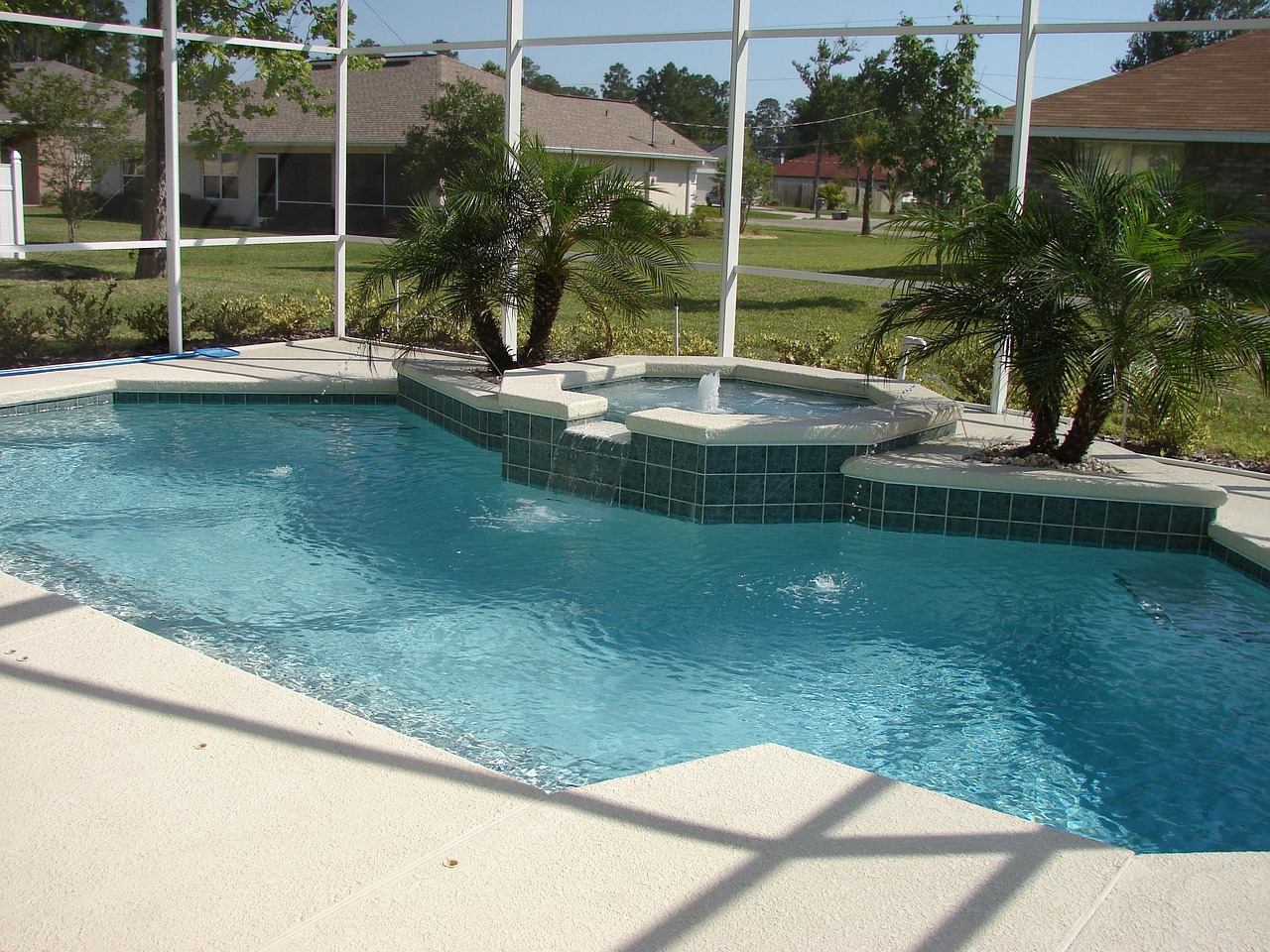
Pool heating is no longer a luxury exclusive to newly constructed pools. With modern advancements in technology, it is entirely feasible to install heating systems in existing pools, transforming ordinary backyard retreats into year-round relaxation zones. For homeowners aiming to extend their swimming season or increase the usability of their outdoor space, exploring retrofit heating options is an excellent step forward.

Understanding Pool Heating Basics

Before diving into installation, it's essential to understand the fundamentals of pool heating. The process involves increasing the water temperature to maintain a comfortable swimming environment, especially during cooler months. Several types of systems are available, each offering different benefits based on efficiency, cost, and maintenance needs. Solar heaters, electric heat pumps, and gas heaters dominate the market, each suited for different climates and budgets.

Assessing Existing Pool Infrastructure

The first step in adding a pool heating system to an existing pool is evaluating the current infrastructure. This includes the filtration system, piping layout, pump capacity, and space availability for equipment installation. An assessment helps determine compatibility and whether any upgrades are necessary to support the additional equipment. Most existing pools can accommodate a heating system with minimal structural changes, making this upgrade relatively convenient.

Choosing the Right Heating System

Selecting the right pool heating method for an existing pool depends on several key factors, such as geographic location, pool usage frequency, desired temperature range, and energy preferences. Below are three popular types:

  • Solar Pool Heaters: Ideal for sunny regions, these systems use solar panels to collect and transfer heat to the water. They are energy-efficient and eco-friendly, although initial installation costs can be higher. Since they rely on sunlight, their performance may vary on cloudy days or during colder seasons.

  • Electric Heat Pumps: These units extract heat from the air and transfer it to the pool water. They are cost-effective for mild to moderate climates and operate efficiently over long periods. Heat pumps may require more time to reach desired temperatures but are known for their long-term energy savings.

  • Gas Pool Heaters: Using propane or natural gas, these heaters offer quick temperature increases, making them suitable for pools used sporadically or in areas with shorter swimming seasons. Although they provide rapid heating, they can be more expensive to operate over time.

Installation Process and Timeline

Installing a pool heating system in an existing pool is a straightforward process for professionals. The timeline typically ranges from one to three days, depending on the system chosen and the pool’s existing setup. Installation includes mounting the heating unit, connecting it to the pool’s plumbing, and integrating it with the control system. Electrical and gas connections may also be necessary, depending on the selected heater type.

Benefits of Retrofitting Pool Heating

Adding a heating system to an existing pool offers numerous advantages:

  • Extended Swimming Season: Heated pools can be used earlier in the spring and later into the fall, maximizing the return on investment in pool ownership.

  • Enhanced Comfort: Warm water increases comfort, especially for children, seniors, or individuals with sensitive health conditions.

  • Increased Property Value: A heated pool is a sought-after feature that can enhance the appeal and resale value of a home.

  • Better Usage Flexibility: Spontaneous dips, evening swims, and early-morning exercise sessions become possible without worrying about water temperature.

Cost Considerations and Budget Planning

Retrofitting pool heating into an existing pool involves both upfront and ongoing costs. Installation expenses vary by system type, with solar heaters generally requiring a higher initial investment but lower operating costs, while gas heaters have a lower setup cost but higher fuel expenses. Maintenance, energy consumption, and seasonal usage patterns should all be factored into long-term budgeting.

To manage expenses, it’s wise to compare the annual operating costs of different heating systems. For instance, solar heaters may have negligible running costs after installation, while electric heat pumps and gas heaters incur ongoing utility bills. Planning ahead ensures that the chosen system aligns with the homeowner’s budget and expectations.

Energy Efficiency and Environmental Impact

Sustainability is increasingly important for homeowners. Pool heating systems can vary significantly in their environmental impact. Solar heaters are the most eco-conscious, using renewable energy with zero emissions. Heat pumps are moderately green, consuming electricity but emitting no direct pollution. Gas heaters, while effective, are less environmentally friendly due to fossil fuel use.

Choosing a system that aligns with energy conservation goals can reduce the household’s carbon footprint while keeping operational costs low. Additionally, incorporating a pool cover can help retain heat, reduce evaporation, and boost overall system efficiency regardless of the heater type.

Maintenance Requirements and Lifespan

All pool heating systems require some level of maintenance. Regular inspections, cleaning, and servicing ensure optimal performance and prolong the life of the equipment. Solar heaters generally require the least maintenance due to their simplicity. Electric heat pumps need occasional checks on electrical components, while gas heaters require more frequent servicing, particularly of the burners and heat exchangers.

Understanding the expected lifespan of the system is also essential. Solar heaters can last up to 20 years with minimal upkeep. Heat pumps usually operate efficiently for 10 to 15 years, while gas heaters may need replacement after 7 to 12 years, depending on usage and maintenance.

Climate and Location Influence

Local climate plays a major role in determining the most effective pool heating option. In warm, sunny areas, solar systems are typically the most cost-effective and sustainable. For moderate climates, electric heat pumps offer a good balance of efficiency and affordability. In colder regions or where rapid heating is necessary, gas systems may be the only viable option.

Homeowners should consider both average seasonal temperatures and solar exposure levels when deciding which system to install. This ensures optimal performance and prevents overspending on energy or underutilizing the heating system.

Future-Proofing with Smart Technology

The integration of smart controls and automation is a valuable addition when retrofitting pool heating. These systems allow users to set schedules, monitor performance, and adjust settings remotely via smartphones or tablets. Smart thermostats and timers help reduce energy waste by ensuring the heater runs only when needed. This not only improves convenience but also enhances energy efficiency and cost management.

Final Thoughts on Retrofitting Pool Heating

Installing pool heating in existing pools is not only possible but also highly beneficial. With a wide range of systems available, homeowners can tailor solutions to meet their specific needs, budget, and climate conditions. Whether aiming for eco-friendly upgrades or quick-heating capabilities, there is an option suitable for every scenario. Careful planning and system selection can turn a once-seasonal amenity into a year-round sanctuary.

Conclusion

Retrofitting pool heating systems into existing pools is a practical, value-adding upgrade that significantly enhances usability, comfort, and overall enjoyment. Understanding the available options, assessing the current infrastructure, and choosing the right heating method are crucial steps in the process. With the right system in place, any existing pool can be transformed into a versatile and enjoyable space, regardless of the season.


Thursday, June 12, 2025

Heat Pump Maintenance Tips to Extend Lifespan

Maximizing Efficiency and Durability Through Proper Care

Understanding the Importance of Heat Pump Maintenance


Heat pumps are among the most energy-efficient options for heating and cooling residential spaces. They operate by transferring heat rather than generating it, making them both cost-effective and environmentally friendly. However, to maintain this efficiency and extend the overall system lifespan, regular heat pump maintenance is essential. Consistent upkeep not only prevents sudden breakdowns but also ensures optimal performance throughout the year.

Inspect and Replace Air Filters Regularly


One of the most critical yet simple maintenance tasks involves checking and replacing air filters. Dirty or clogged filters obstruct airflow, forcing the system to work harder than necessary. This additional strain can reduce efficiency and accelerate wear and tear. Filters should be inspected monthly and replaced at least every 90 days, or more frequently during periods of heavy use. Clean filters support healthy indoor air quality and improve the overall performance of the heat pump.

Keep Outdoor Units Clean and Clear


The outdoor component of a heat pump is susceptible to dirt, debris, leaves, and even snow, depending on the season. Obstructions around the unit can restrict airflow and hinder heat exchange. Ensure that vegetation and clutter are kept at least two feet away from the unit. Periodically clean the fins and coils using a gentle stream of water or a soft brush. Avoid high-pressure cleaning, which can damage sensitive components. Regular cleaning of the outdoor unit helps maintain peak operational efficiency.

Schedule Seasonal Professional Inspections


While there are several tasks that can be handled without technical expertise, professional servicing is indispensable. A certified technician can check refrigerant levels, inspect electrical connections, test the thermostat, and calibrate system settings for optimal performance. Ideally, this inspection should occur twice a year—once before the heating season and once before the cooling season. Routine professional maintenance detects minor issues early, preventing them from escalating into major repairs.

Check and Clean the Condensate Drain Line


The condensate drain line removes the moisture extracted from indoor air. Over time, this line can become clogged with dirt, algae, or mold, leading to water leakage or system shutdown. Inspect the line regularly and flush it with a mixture of water and vinegar to clear potential blockages. Keeping the condensate drain clean helps prevent water damage and ensures uninterrupted operation.

Monitor Thermostat Settings and Upgrade When Necessary


An outdated or malfunctioning thermostat can significantly impact heat pump performance. Regularly checking and adjusting thermostat settings ensures that the system operates efficiently based on seasonal needs. Upgrading to a programmable or smart thermostat can enhance system control, minimize energy waste, and improve comfort. These devices allow for scheduling and remote adjustments, contributing to energy savings and prolonged equipment life.

Inspect Ductwork for Leaks and Blockages


Efficient heat distribution relies heavily on well-sealed and clean ductwork. Leaky ducts can lead to energy losses of up to 30%, forcing the system to work harder to maintain desired temperatures. Conduct a visual inspection for gaps, disconnected sections, or areas showing signs of wear. Consider sealing leaks with mastic sealant or foil tape. Additionally, have ducts professionally cleaned if there is excessive dust buildup or signs of pest infestations.

Keep Indoor Vents Unobstructed


Blocked or closed vents disrupt airflow and force the heat pump to compensate by overworking. Ensure that furniture, rugs, or curtains do not cover vents. All registers should remain open and unobstructed to maintain proper air circulation. This simple step contributes to balanced temperature distribution and efficient system operation.

Avoid Overworking the System During Extreme Conditions


Heat pumps operate best within specific temperature ranges. During extreme cold or hot spells, it's advisable to support the system with supplemental heating or cooling sources if necessary. Overworking the unit in adverse weather conditions can lead to faster degradation. Installing insulation, using ceiling fans, and sealing windows and doors help reduce the workload on the heat pump.

Listen for Unusual Sounds or Odors

 Abnormal noises such as grinding, buzzing, or rattling, as well as unusual odors, can indicate underlying issues. These signs should not be ignored. Promptly addressing these anomalies can prevent significant damage and reduce repair costs. Routine auditory and olfactory checks serve as an early warning system for mechanical problems.

Inspect Electrical Components and Connections


Heat pumps rely on numerous electrical components for smooth operation. Periodically inspect the wiring, capacitors, and connections for signs of wear, corrosion, or damage. Loose or faulty connections can lead to short circuits or system failure. If there’s any indication of electrical issues, it’s advisable to consult a qualified technician for a thorough inspection and safe resolution.

Maintain Proper Refrigerant Levels


Refrigerant is crucial for heat transfer in a heat pump system. Low refrigerant levels can lead to reduced efficiency, ice formation on coils, and eventually, compressor damage. Routine professional checks ensure that refrigerant levels are optimal and that there are no leaks in the system. A well-maintained refrigerant charge enhances energy efficiency and reduces operational costs.

Utilize a Maintenance Schedule and Log


Keeping a maintenance log helps track service history, filter changes, and component inspections. A detailed record allows homeowners or service technicians to monitor trends and anticipate future needs. Establishing a maintenance calendar ensures that crucial tasks are performed consistently, reducing the risk of missed inspections or overdue component replacements.

Invest in Quality Replacement Parts

 When components need replacement, choosing high-quality parts is essential for ensuring long-term system reliability. Cheaper alternatives may offer initial savings but often wear out quickly or fail to perform efficiently. Investing in parts that meet or exceed manufacturer specifications supports longevity and consistent performance.

Protect the System During Off-Seasons

If the heat pump is not used year-round, it’s vital to protect it during dormant periods. This includes covering the outdoor unit with a breathable cover to prevent debris accumulation, turning off the power supply, and ensuring the system is clean before shutdown. These precautions help preserve component integrity and simplify reactivation when needed.

Conclusion: Smart Maintenance Ensures Long-Term Value


Regular heat pump maintenance is the cornerstone of efficiency, comfort, and durability. Proactive care minimizes unexpected breakdowns, extends system lifespan, and optimizes energy usage. By implementing a consistent maintenance routine and involving professional services at strategic intervals, homeowners can maximize the return on their heat pump investment. Reliable performance, lower utility bills, and enhanced indoor comfort are the direct results of thoughtful maintenance practices.


Buy vs Rent: What’s Better for a Pool Heater?

Making the Smartest Choice for Comfort and Cost Efficiency

A pool heater is a valuable addition to any swimming pool, extending usability through cooler seasons and providing warm, relaxing swims year-round. However, when it comes to acquiring one, a critical decision arises: should one buy or rent a pool heater? This comparison influences long-term satisfaction, costs, and maintenance needs. Making the right choice requires a close look at both options to determine which best fits individual usage patterns, budget constraints, and lifestyle preferences.

Understanding the Role of a Pool Heater

A pool heater increases water temperature by using gas, electricity, or solar energy, maintaining optimal comfort regardless of outdoor weather. Its main function is to keep water warm enough for enjoyable swimming outside of peak summer months. Particularly in areas with fluctuating climates or for households that use their pools frequently, installing a pool heater significantly enhances pool value and usability.


Initial Investment Considerations

The upfront cost of buying a pool heater is typically higher than renting. Purchase prices vary depending on heater type—gas, electric, or solar—with quality models ranging from hundreds to several thousand dollars. This cost includes installation and potentially a structural upgrade to accommodate the system.

In contrast, renting offers a lower initial expense. Monthly rental fees often include installation, making it an attractive short-term option. For those unsure about long-term use, renting minimizes immediate financial pressure.

However, while renting may seem economical at first, prolonged rental periods can lead to higher cumulative costs over time, making ownership more favorable for consistent pool users.


Evaluating Long-Term Costs

Owning a pool heater may be cost-effective in the long run. After the initial purchase and installation, the only recurring costs involve energy use and occasional servicing. Over a period of several years, the investment often pays for itself, especially for homeowners who use their pool throughout most of the year.

Rental costs, although manageable on a month-to-month basis, can accumulate. Many rental agreements include fees that may increase annually. Over extended periods, this can result in expenses that exceed the price of outright ownership.

Additionally, some rentals may include maintenance, but others may not, leading to unexpected service charges. Comparing overall costs over a five- or ten-year period provides clearer insight into which option offers better value.


Maintenance and Repairs

Maintenance is a significant factor when deciding between buying or renting a pool heater. Ownership typically requires taking responsibility for regular upkeep. This includes cleaning filters, checking for corrosion, and arranging professional inspections. Although some may see this as a disadvantage, having control over the equipment and its condition can be beneficial.

Rental agreements often include maintenance services, shifting responsibility to the rental provider. This can be convenient for those who prefer a hands-off approach. However, renters might experience delays or limitations in service depending on contract terms. Additionally, replacement parts or upgrades might not be prioritized in rented units, potentially leading to inefficiencies or older models being used longer than recommended.


Flexibility and Commitment

Renting offers a more flexible approach for users who are uncertain about long-term pool ownership or usage. It’s also useful for seasonal needs, such as for rental properties or vacation homes. Rentals can usually be canceled or returned with minimal penalties, making them suitable for short-term requirements.

Buying, on the other hand, represents a long-term commitment. It works best for pool owners who plan to use their heater regularly and value consistent access to warm water. Homeowners intending to stay in the same property for several years or more will likely benefit from purchasing their unit.


Equipment Quality and Efficiency

Heater quality and performance often vary between rentals and owned units. Ownership allows users to select specific models that suit their needs for energy efficiency, heating speed, and noise levels. Newer models tend to offer better performance and lower energy consumption, contributing to cost savings over time.

Rental units, depending on the provider, may offer less choice in model selection. Some rentals could involve refurbished or older models with limited features. While these still function adequately, they might not offer the same efficiency as newer alternatives, leading to higher utility bills or slower heating times.


Resale and Property Value

Owning a pool heater can increase property value. For homeowners looking to sell in the future, a well-maintained heater serves as a selling point, particularly in cooler regions or areas where pool use is desirable year-round. Potential buyers may see it as an added benefit, reducing the need for them to invest post-purchase.

Rental heaters, on the other hand, are not permanent fixtures. They do not contribute to resale value, as they must be returned to the provider. While this may not concern short-term users, it becomes a consideration for those seeking long-term gains from home improvements.


Environmental Considerations

Energy efficiency and environmental impact vary significantly across heater types. Solar heaters, for example, offer eco-friendly options with minimal operating costs. Buyers can choose environmentally responsible models that align with their values and reduce their carbon footprint.

Rental units may not always provide access to the most eco-friendly options, depending on availability. This can be a drawback for those committed to sustainable living. Ownership provides greater control over choosing models with the highest energy ratings and advanced technology that limits environmental impact.


Decision-Making Based on Usage Patterns

The decision to buy or rent largely depends on how often the pool is used. For frequent swimmers or households with year-round pool usage, purchasing a pool heater provides greater control, reliability, and cost savings over time. Ownership ensures the equipment is always available and tailored to specific needs.

For occasional users, vacation homeowners, or those temporarily residing in a property, renting may be the better option. It reduces long-term responsibility and minimizes upfront financial commitment while still providing the comfort of heated water when needed.


Conclusion: Making the Right Investment

Choosing between buying and renting a pool heater depends on multiple factors—frequency of use, financial considerations, maintenance preferences, and long-term goals. Ownership offers cost-efficiency and customization for dedicated pool users, while renting suits those looking for flexibility and convenience in the short term.

Each option presents clear benefits. Understanding personal pool habits and evaluating total costs over time will guide the smarter investment. Regardless of the choice, a well-functioning pool heater enhances comfort, usability, and enjoyment, making it a worthy consideration for any pool owner.


Tuesday, June 10, 2025

Which Pool Heating System Offers the Best ROI in 2025?

Swimming pools have long been associated with luxury, recreation, and property value enhancement. However, maintaining comfortable water temperatures throughout the year can pose a challenge, especially in cooler months. For homeowners aiming to extend their swim season and lower operational costs, identifying the most cost-effective pool heating solution has become a top priority. In 2025, the market presents several advanced options, but choosing the right one depends on energy efficiency, installation cost, climate suitability, and long-term return on investment (ROI).


Understanding the Need for Pool Heating in 2025

Climate patterns are becoming more unpredictable, with temperature swings now more common than ever. As a result, relying solely on the sun to warm a pool is no longer sufficient, even in warmer regions. Pool heating not only enhances the usability of a pool year-round but also significantly boosts a property's appeal and value. In 2025, advancements in green technology and energy regulations have further pushed innovation in this field, giving homeowners more reliable and efficient options than ever before.


Comparing the Main Pool Heating Options

To determine which system offers the best ROI, it’s essential to break down the top heating technologies available today. These include solar pool heaters, electric heat pumps, and gas heaters. Each has distinct benefits and costs, and their performance varies by environment and usage.


1. Solar Pool Heaters: Eco-Friendly Efficiency

Solar pool heating systems utilize solar collectors to draw energy from the sun and transfer it to the pool water. The technology has been refined significantly by 2025, offering greater absorption efficiency even in moderate sunlight.

Pros:

  • Extremely low operational cost once installed

  • Minimal maintenance

  • Environmentally sustainable with no emissions

Cons:

  • High upfront installation cost

  • Dependent on consistent sunlight

  • Requires large roof or ground space for solar panels

ROI Potential:
In regions with ample sunlight, solar pool heaters present an excellent ROI. While the initial investment may be steep, most systems recoup their cost within 3–7 years, especially with available tax credits or energy incentives. Their long lifespan further enhances ROI over time.


2. Electric Heat Pumps: Balanced Performance

Electric heat pumps extract ambient heat from the air and use it to warm the water. Unlike gas or electric resistance heaters, heat pumps are more energy-efficient and have become increasingly popular in 2025 for their reliable performance.

Pros:

  • Lower energy consumption compared to gas

  • Works efficiently in moderate climates

  • Longer lifespan than traditional gas heaters

Cons:

  • Less effective in very cold climates

  • Higher upfront cost than gas heaters

  • Slower to heat large pools

ROI Potential:
Electric heat pumps offer balanced performance and cost-effectiveness. In temperate climates, these systems can deliver a strong ROI within 3–5 years. Their moderate operational costs and reliable heating capacity make them a favored option for many homeowners aiming to cut monthly utility expenses.


3. Gas Pool Heaters: High Power, Higher Costs

Gas heaters use natural gas or propane to rapidly heat pool water. In 2025, although these systems still dominate colder regions for quick heating, rising fuel costs and emissions concerns are making them less attractive for the long term.

Pros:

  • Heats pool quickly regardless of outside temperature

  • Ideal for occasional or on-demand use

  • Lower installation cost

Cons:

  • High ongoing fuel cost

  • Shorter lifespan

  • Larger environmental impact due to emissions

ROI Potential:
While gas heaters provide immediate temperature control, their ROI is generally lower due to high fuel expenses. For those needing fast, infrequent heating, they remain a viable option. However, for daily or prolonged use, they’re not cost-efficient over time.


Emerging Technologies and Trends in 2025

In response to sustainability demands, hybrid pool heating systems are gaining traction in 2025. These combine solar collectors with a backup electric heat pump or gas heater. The primary benefit is flexibility—solar handles most heating needs, while the secondary system ensures consistent temperature regardless of weather conditions.

Another significant innovation is smart heating integration. Modern systems now connect with home automation, adjusting temperatures based on real-time weather data, user schedules, and energy rate fluctuations. These advancements improve both convenience and energy savings, directly enhancing ROI.


Key Factors That Influence ROI

Selecting a pool heating system with the best ROI requires careful evaluation of several elements:

  1. Climate and Location
    Solar heating shines in sunny regions, while electric heat pumps are better suited for mild climates. Gas heaters serve colder areas where rapid heating is essential.

  2. Usage Frequency
    Daily swimmers or year-round users benefit more from efficient systems like heat pumps or solar, while occasional users may find gas more practical.

  3. Pool Size and Volume
    Larger pools require more energy to heat, so efficiency plays a major role in ROI. Systems that scale well with size, such as solar or electric heat pumps, are often more economical.

  4. Energy Costs and Incentives
    The rising cost of gas and electricity in 2025, along with expanded green energy rebates, make solar and electric heating systems financially attractive.


Installation and Maintenance Considerations

Another key component of ROI is system upkeep. Solar heaters typically have fewer moving parts, resulting in minimal maintenance. Electric heat pumps require regular cleaning and inspection but have long service lives. Gas heaters, on the other hand, demand more frequent servicing and replacement parts due to higher operational stress and combustion-based mechanisms.

Choosing a professional installer with proven experience ensures correct setup, maximizes efficiency, and extends the system’s lifespan—an essential factor in ROI calculation.


Final Verdict: Which Pool Heating System Delivers the Best ROI in 2025?

After considering energy efficiency, installation and operational cost, environmental impact, and longevity, solar pool heaters offer the highest ROI in sun-rich regions, especially when long-term usage and sustainability are priorities. Electric heat pumps come in as a strong contender for those in moderate climates seeking a good balance of cost and performance. Gas heaters remain useful for colder climates or infrequent heating but lag in ROI due to ongoing fuel expenses.

Ultimately, the best pool heating solution depends on a homeowner’s specific needs, geographic location, and budget. With energy-efficient technology continuing to advance in 2025, investing in a suitable heating system not only enhances pool comfort but delivers financial benefits over time.


Conclusion

Maximizing ROI on pool heating requires a strategic blend of technology, climate awareness, and cost-efficiency. In 2025, choosing between solar, electric, and gas heating systems depends on personalized usage patterns and long-term financial goals. By analyzing each system's strengths and aligning them with local conditions, homeowners can enjoy year-round swimming comfort while making a smart investment in their property’s value.


Reviewing the Top Solar-Assisted Hybrid Systems for Cost-Effective, Eco-Friendly Pool Heating

Swimming pools provide comfort, relaxation, and lifestyle value throughout the year, yet maintaining a pleasant water temperature can become...